Hey,
As we step into Thanksgiving week — a week that somehow holds both cozy gratitude and hyper-consumerism at the exact same time — I wanted to offer a slower breath and a grounded reflection.
Money is emotional.
And during this week especially, those emotions get stirred up in ways we don’t always notice.
On one hand, gratitude naturally pulls us toward contentment: “I really do have enough.”
On the other, the world is about to shout: “You need more. You deserve more. Hurry, before it’s gone!”
And it can feel disorienting to hold both truths in the same body.
So instead of giving you a traditional “holiday budget tips” email (you’ve seen those everywhere), I want to invite you into a mindset shift that genuinely changes your relationship with money, not just for this week, but long-term.
Click below to take a much-needed pause in your day and recenter. Close your eyes. Relax. Breathe. (Links to an 8-minute long video with music proven to help lower stress levels)
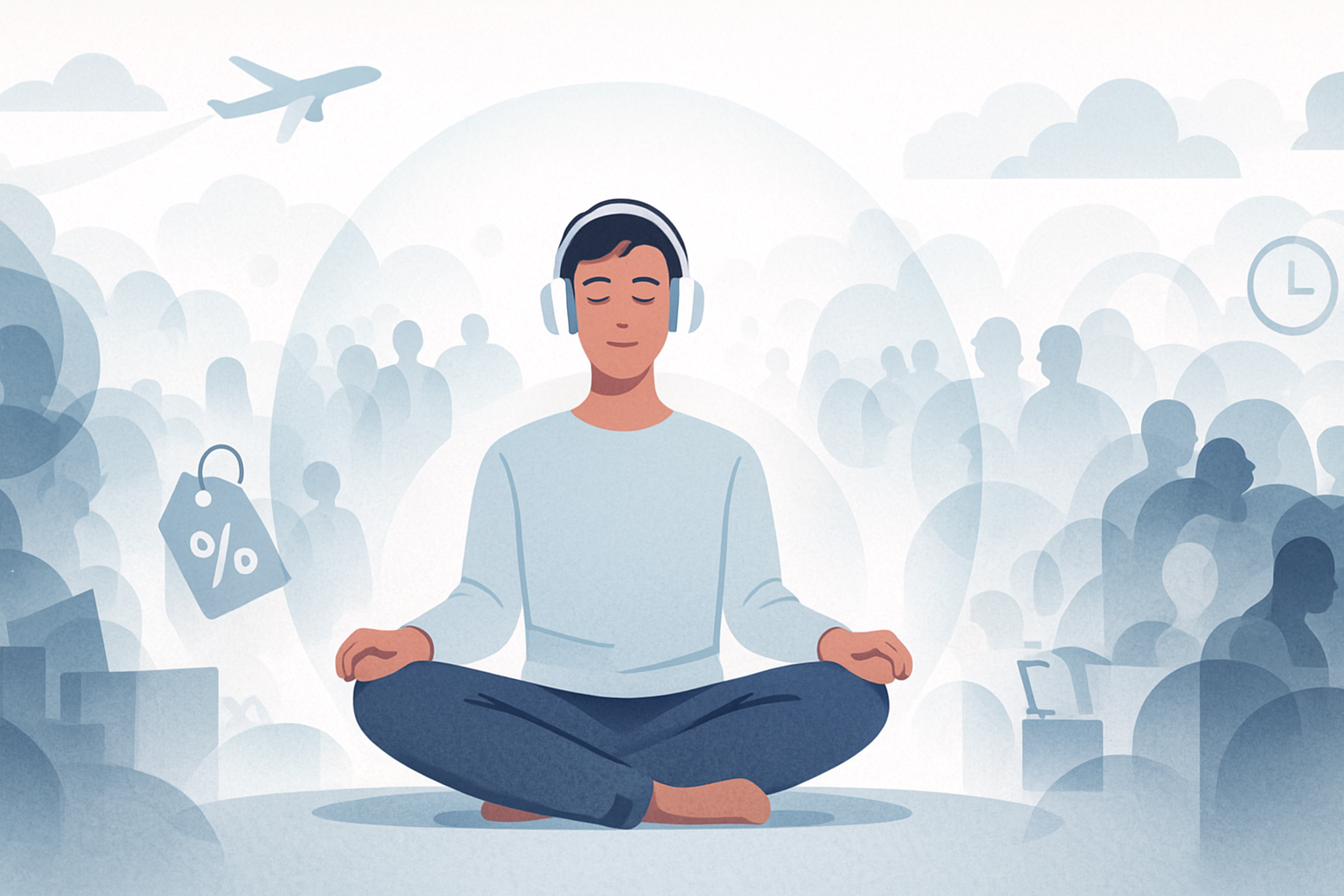
1. Gratitude Grounds You When the World Gets Loud
One of the most protective things you can do for your finances is tune into what you already have.
Not in a “you should be grateful because others have it worse” way.
In a genuine, compassionate way that says:
“I recognize what I have. I acknowledge what’s working. I see the good here.”
When you're connected to what matters most, the pressure to buy your way into a better life softens. You stop chasing identity through purchases and start directing your money toward what feels aligned.
This is one of those rare “mindset shifts” that meaningfully changes behavior — not because of willpower, but because your internal compass gets clearer.

2. Your Brain Gets Hijacked This Week, and It’s Not Your Fault
Black Friday and Cyber Monday are engineered to trigger urgency, comparison, and fear of missing out.
You’re not weak.
You’re not irresponsible.
You’re responding exactly the way these promotions are designed to make you respond.
This is why clarity is so important. When you know what you value, it becomes easier to notice when you’re being nudged toward something you don’t actually want.
Values protect you where willpower can’t.
3. Practice “Contentment Checks” Instead of Shopping Urges
Here’s a grounding practice for this week:
Before buying anything, pause and gently ask:
- Does this deepen something I already care about?
- Will this matter to me when the sale is over?
- Is this helping me live more fully, or just helping me avoid something uncomfortable?
Contentment isn’t about never buying anything.
It’s about buying with intention, from a place of "enoughness" instead of emptiness.
When you shop from alignment instead of impulse, your spending naturally calms down. You get more joy out of the things you do say yes to. You waste less. You avoid financial hangovers.
This is what I mean when I say systems over willpower, because this mindset is a system.

4. Gratitude Doesn’t Mean Shrinking Your Life
Sometimes we fear that contentment means settling.
But contentment isn’t settling.
It’s clarity.
When you know what actually matters, you stop diluting your money across a hundred random purchases and start investing it in the few things that create a meaningful return — whether that’s travel, family, coffee, hobbies, or a healthier future.
Gratitude clears the noise so your real values can speak.
5. Why Contentment Protects You From “Buy Now, Pay Later” Traps
This time of year, the loudest temptations don’t just come from sales, they come from payment plans .
Klarna, Afterpay, Affirm, PayPal Pay-in-4…
These aren’t “bad.”
They’re tools.
But like any tool, they can shape your behavior without you noticing.
The psychology is simple:
- Breaking a cost into tiny pieces tricks your brain into believing the purchase is “smaller.”
- Your nervous system reacts to the $41.66 monthly payment, not the $500 total of a TV you're purchasing over the course of the next 12 months.
It feels painless in the moment, and future-you quietly inherits the bill.
- "It's interest-free, Andrew!" I know it is, Andrew ...but the psychological impact is not free.
For many people, this isn’t just about a TV.
It’s layered on top of a car payment.
Credit card balances.
Student loans.
Small personal loans.
Subscriptions.
Commitments from three jobs ago.
It creates a life where your past self keeps spending your future self’s money . It all adds up before we even have the chance to do the math.
And that’s why contentment matters so much:
Contentment gives you the internal pause, the space to ask, “Do I genuinely want this? Or am I being carried by the emotion of the moment?”
It helps you distinguish desire from marketing.
It protects your future self from being overloaded by decisions your present self made under pressure or impulse.

Buy Now, Pay Later? No thanks
To Close
As you step into this week — with all its warmth, noise, pressure, and invitations — I hope you find moments to breathe and notice what’s already here. What you’ve already built. What is quietly working in your favor.
Your financial life doesn’t have to be driven by urgency or comparison.
You’re allowed to move with clarity.
You’re allowed to choose alignment over impulse.
You’re allowed to have a calm, grounded money story — even in the loudest week of the year.
If you want support creating systems that make your financial life feel lighter and more aligned, you can always book a 1:1 session with me — I’d love to help you build something sustainable and values-driven.
Wishing you a warm, peaceful Thanksgiving.
With gratitude,

P.S. Some links may be affiliate links, meaning I earn a small commission. No extra cost to you, and I only share what I trust!
